Start from the calendar, not the camera
A productive shoot day begins two weeks earlier with next month's calendar. Every slot has a format, a pillar and a one-line idea. From that we build a shot list, and then we sort the shot list by setup rather than by post.
Sorting by setup is the whole trick. If six different posts need the kitchen pass, we film all six while the lights are there, even though they will publish weeks apart.
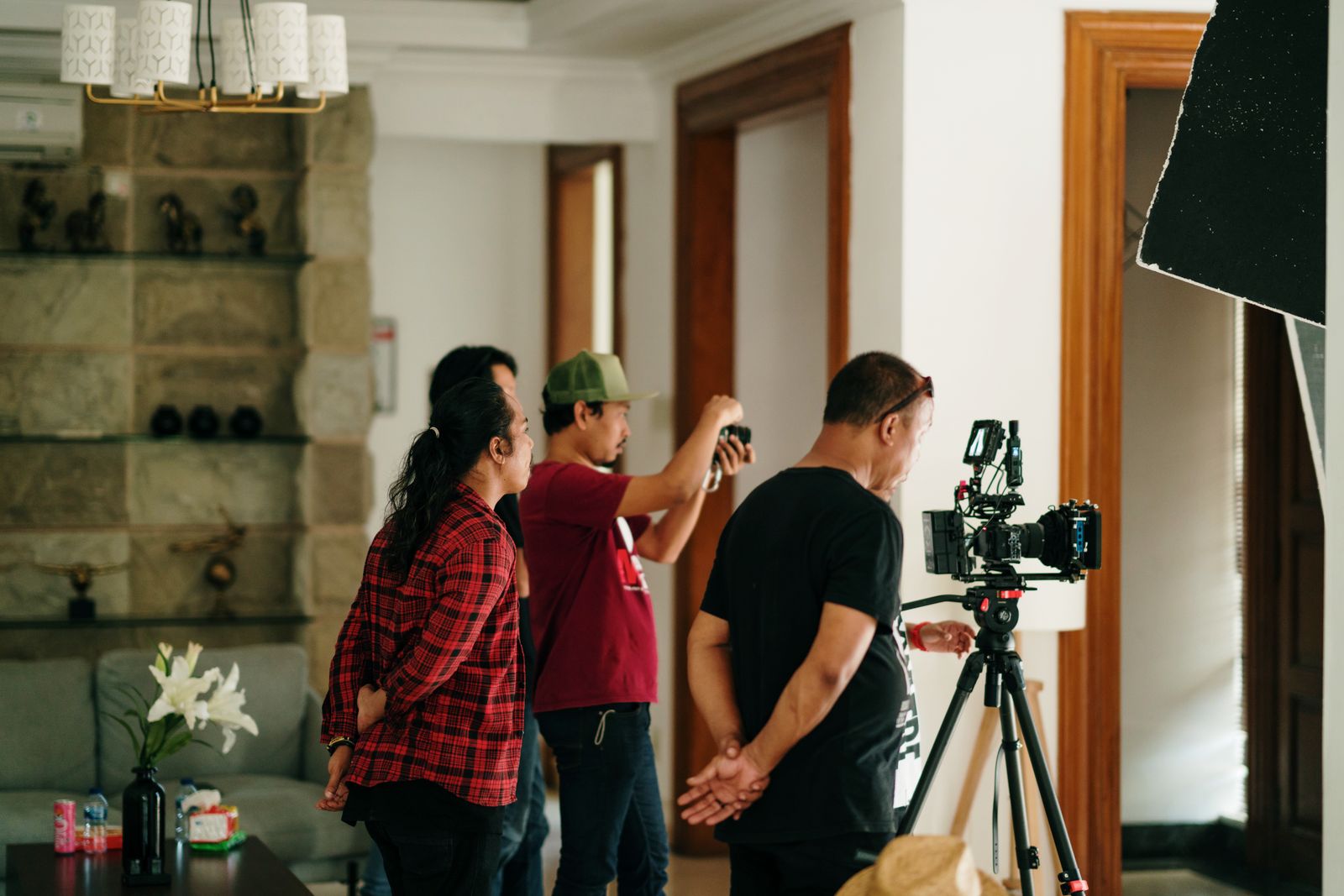
The call sheet
Ours fits on one page and answers the questions that stall a set.
- Who needs to be where, and at what time, with phone numbers.
- Setups in order, with the posts each one feeds.
- Props, wardrobe and product, with a named person bringing each item.
- Usage notes: who has agreed to be on camera, and for which placements.
- A hard stop time. Tired crews make slow edits.
Film everything three ways
For each moment we take a wide, a close and a detail. Then we take the same moment vertically framed for video, and as a still. It adds a few minutes per setup and triples what the editors can do with it.
We also record thirty seconds of clean sound in every location. Room tone, the espresso machine, the street. Real sound is the cheapest way to make a video feel finished.
What comes out the other end
A typical full day yields around sixty finished assets: twelve to twenty short videos, thirty or more stills in three crops, and material for carousels and stories. About a fifth is held back as spares for slow weeks or reactive posts.
Everything is tagged by pillar and month before it reaches the client board. An untagged library is a folder nobody opens.
Plan from the calendar, shoot by setup, capture every moment three ways, and tag the library before anyone sees it.
Try the content mix planner, free and with no sign-up.